

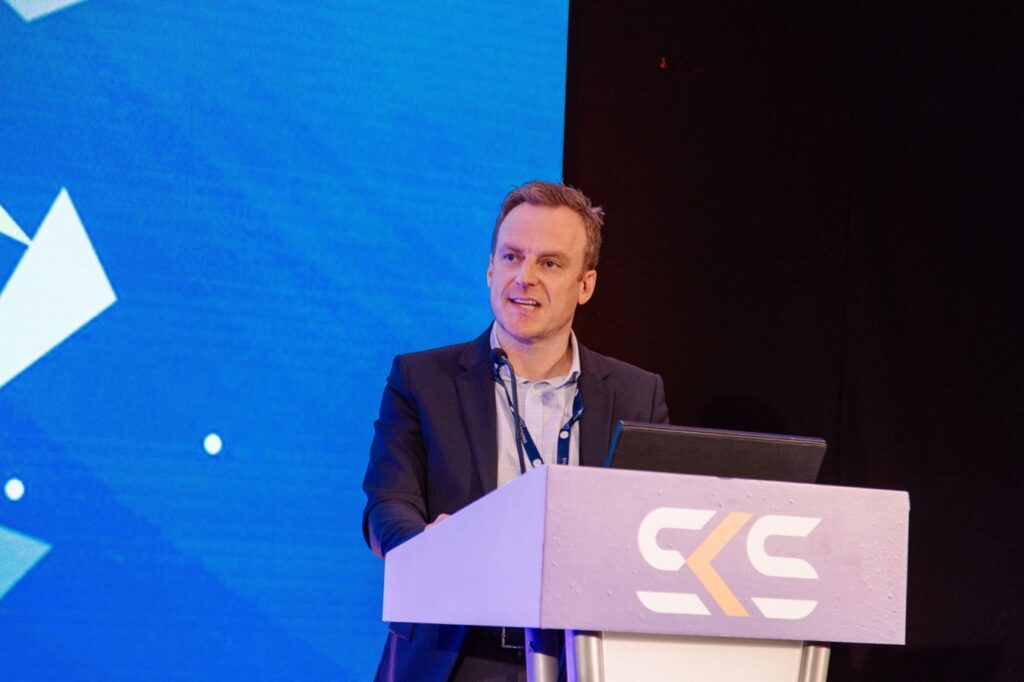
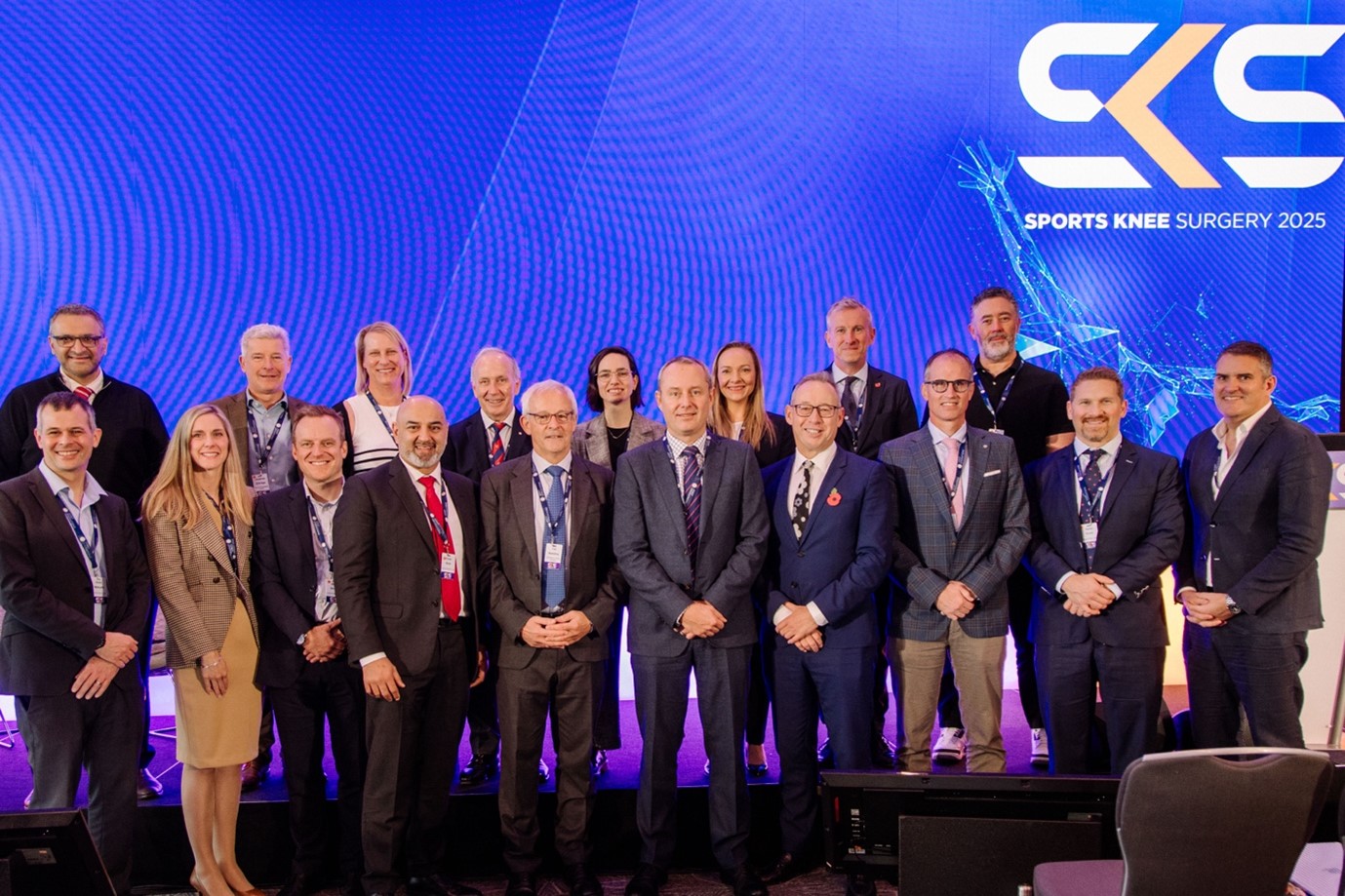
I was delighted to be part of the organising faculty for ‘Sports Knee Surgery 2025’, one of the leading sports knee meetings in the UK calendar. The conference brought together many of the world’s foremost knee surgeons, researchers and therapists for two days of high-level discussion focused on the latest advances in sports knee surgery, ACL reconstruction, meniscal preservation, cartilage restoration and patellofemoral surgery.
Alongside Tim Spalding, Pete Thompson, Andy Metcalfe, Nicola Mackay and Feisal Shah, it was a privilege to help deliver a meeting that attracted an outstanding international faculty and excellent engagement throughout. The atmosphere across the conference reflected how rapidly the field of sports knee surgery continues to evolve, with increasing emphasis on personalised treatment, biomechanics and improving long-term patient outcomes.
A major highlight of the meeting was the exceptional international faculty, including Aaron Krych, David Dejour, Robert LaPrade, Laurie Hiemstra, Maria Tuca and Andy Williams. Their presentations and panel discussions generated outstanding debate across a wide range of complex sports knee topics.
ACL Revision Surgery, Tibial Slope and the “Delta Angle”
One of the presentations I delivered focused on slope-changing osteotomy in revision ACL reconstruction and the growing importance of tibial slope analysis when assessing patients with recurrent ACL failure.
Increasing evidence suggests that posterior tibial slope has a major influence on ACL graft loading and re-rupture risk. Modern ACL surgery is therefore moving beyond simply reconstructing the ligament itself and increasingly recognising the importance of underlying bony morphology and knee biomechanics.
My presentation focused particularly on the concept of the “delta angle” — the relationship between the lateral and medial posterior tibial slopes — and how slope asymmetry may help identify higher-risk patients in the revision setting. There was excellent discussion around surgical indications, thresholds for correction and how slope-reducing osteotomy can be integrated into complex revision ACL surgery in appropriately selected patients.
The session highlighted the continued movement towards truly personalised ACL surgery, tailoring treatment not only to the injury but also to the individual biomechanics of each patient.
Patellofemoral Session Highlights
The patellofemoral session was one of the standout parts of the conference and generated particularly strong engagement from delegates. With world-leading expertise from speakers including David Dejour and Laurie Hiemstra, discussions focused on the modern management of patellar instability and the increasing sophistication of contemporary patellofemoral surgery.
Topics included:
- Trochlear dysplasia
- Tibial tubercle osteotomy
- Rotational alignment
- Individualised treatment strategies
- The evolving role of bony correction procedures
- Decision-making around isolated soft tissue versus combined reconstruction techniques
As understanding of patellofemoral biomechanics continues to improve, treatment strategies are becoming increasingly tailored to the individual patient. The session provided excellent insight into current controversies and future directions within patellofemoral surgery.
AI, Innovation and the Future of Knee Surgery
Another major theme running throughout the meeting was the growing role of innovation, data science and artificial intelligence within sports knee surgery.
Discussions explored how AI may increasingly influence imaging analysis, surgical planning, outcome prediction, rehabilitation monitoring and research delivery in the future. There was considerable interest in how advanced data analysis and machine learning could help surgeons better identify patient-specific risk factors, refine decision-making and improve personalised treatment pathways.
The conference also highlighted the rapid pace of technological innovation across sports knee surgery, including developments in surgical techniques, biological augmentation, rehabilitation strategies and digital technologies designed to improve patient outcomes.
Collaboration, Innovation and Education
One of the most valuable aspects of Sports Knee Surgery 2025 was the opportunity for open discussion between surgeons, researchers, physiotherapists and industry partners. The meeting showcased not only cutting-edge surgical techniques, but also the importance of collaborative research, rehabilitation and outcome-driven care.
The programme covered a broad range of topics including:
- Primary and revision ACL reconstruction
- Meniscal repair and transplantation
- Cartilage restoration techniques
- Osteotomy
- Multi-ligament knee injuries
- Patellofemoral instability
- Rehabilitation and return to sport
- Emerging technologies and surgical innovation
A Fantastic Meeting
Sports Knee Surgery 2025 was a tremendous success and reflected the strength of the sports knee community both within the UK and internationally.
It was fantastic to see so many leading surgeons and enthusiastic delegates engaging in high-quality discussion around some of the most challenging areas of modern knee surgery. Meetings such as this are vital in continuing to improve standards, advance research and ultimately deliver better outcomes for patients.
Further information about the meeting can be found here:
Sports Knee Surgery 2025 Official Meeting Page
Leave a reply


Leave a reply