


Mr Nick Smith | Knee Surgery
Mr Nick Smith | Knee Surgery
Mr Nick Smith | Knee Surgery

Welcome to Mr Nick Smith
Nick Smith is a Consultant Specialist Knee Surgeon and one of the UK’s leading experts in the treatment of complex knee conditions. He provides highly specialised, patient-focused care across the full spectrum of knee surgery, including ACL reconstruction, meniscal surgery, cartilage restoration, osteotomy, and both partial and total knee replacement.
He is widely recognised for his expertise in complex cases, with a tertiary referral practice for advanced procedures such as meniscal transplant, meniscal root repair and cartilage repair procedures such as osteochondral allograft transplantation. Mr Smith has a high-volume meniscal repair practice, with particular expertise in difficult meniscal repairs and meniscal root repairs. He also has one of the highest-volume meniscal transplant practices in Europe, with outcomes published extensively in the scientific literature.
Alongside his clinical work, Mr Smith is a leader in orthopaedic research, driving innovation to improve patient outcomes. He leads research programmes in ACL reconstruction, including pioneering work identifying how variations in tibial slope can contribute to graft failure. He is Chief Investigator on a £1.9 million NIHR-funded randomised controlled trial comparing synthetic augmentation with standard ACL reconstruction, and a co-applicant on a £1.3 million NIHR-funded international trial investigating meniscal transplantation. In addition, he is actively involved in cartilage research, with ongoing studies and continues to contribute widely to advancing evidence-based knee surgery.
Patient Stories
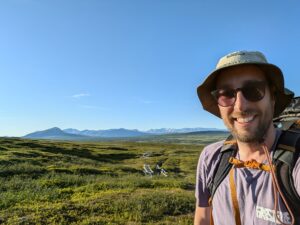
ACL patient
Nick Smith performed surgery on my knee to reconstruct an ACL I ruptured. I’m writing to express my profound gratitude for the incredible work that he did. At the time, the long wait was having a significant impact on my wellbeing, and his intervention has truly changed my life.
Because of the success of the operation, I have been able to fully return to the active life I love. Since my recovery, I have walked the entire length of Wales, hiked the beautiful Kungsleden trail in Sweden, and I am now planning a similar long-distance walk in New Zealand next year.
On top of this, I’ve just had one of my best ever cricket seasons for my new club, taking 37 wickets. None of this would have been remotely possible without his skill and care, and this has had an immensely positive impact on me.
Knee replacement patient
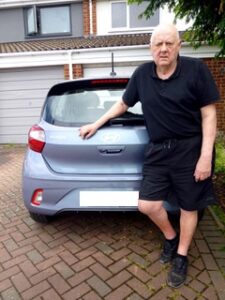
After being in all levels of soccer throughout my life I was hit hard when i began having severe knee pain. A visit to outpatients at Walsgrave Hospital suggested that I would need surgery but the current NHS waiting times were prohibitive. I had an appointment in early 2025 with Mr Smith confirmed the “worst” and I had a total knee replacement the next month. All went well and I began the long road to recovery via physio visits and home exercise plans. No doubt at all the home exercises are critical to your recovery and whist painful at times they must be adhered to. After about 3/4 weeks I was able to bend my knee the knee and drive short distances. I was really pleased with whole process, post op it does need patient commitment, and I am seeing the benefit of that commitment now. I used some savings that had for a “rainy day” and it was definitely raining!!! Thank you for getting me back walking again.
Knee arthritis patient
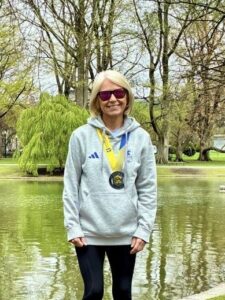
I had a consultation with Mr Nick Smith in January 2024 having had an MRI on my left knee. I am a keen long distance runner and had developed severe pain and swelling in the knee over the course of the last year. The MRI showed substantial loss of cartilage and osteoarthritis. The prognosis at that point was not good for any future running and it was doubtful I would be able to do any at all. This was totally devastating for me and at age 60 I believed that my running days were over.
I went to see Mr Smith to try to find options which would allow me to at least walk without pain. It was pretty unbearable by now. On examination and a lengthy background history we decided on my having a Hyaluronic Acid injection which would lubricate to area between the bones to reduce the pain. Once I had the injection, and after some rest, I embarked on a strength and conditioning plan with my Personal Trainer to build up the muscles to support the weakness. I managed to build up some running slowly and then had a further Steroid Injection with Mr Smith in September just prior to completing the Berlin Marathon 2024.
I managed to build up some running slowly and then had a further Steroid Injection with Mr Smith in September just prior to completing the Berlin Marathon 2024. I have continued to train and work towards my running goals thanks to Mr Smith. I had another Steroid injection at the beginning of April this year (2025) and yesterday I completed the Boston Marathon in a time of 3:51. I cannot thank him enough for saving my running life. He is also a lovely man who listens and offers very considered options. Thank you.
Mr Nick Smith, Knee Specialist
Knee Conditions
Mr Nick Smith, Knee Specialist
Clinical Evidence and Research in Knee Surgery
Mr Nick Smith leads an internationally recognised research programme focused on advancing the understanding and treatment of knee conditions. This section of the website provides up-to-date evidence on key topics in knee surgery, alongside original research that is helping to shape modern clinical practice.
His work spans ACL reconstruction, meniscal surgery, and cartilage restoration, including pioneering research into the role of tibial slope in ACL reconstruction failure. He is Chief Investigator on a £1.9 million NIHR-funded randomised trial evaluating synthetic augmentation in ACL reconstruction, and a co-applicant on a £1.3 million NIHR-funded international study on meniscal transplantation.
With nearly £4 million in research funding secured and a substantial portfolio of peer-reviewed publications, his work is widely recognised within the orthopaedic community. The research presented here is carefully broken down to highlight the key clinical messages, with full papers also available for those seeking greater detail—supporting both healthcare professionals and patients who want a deeper understanding of knee conditions and treatments.
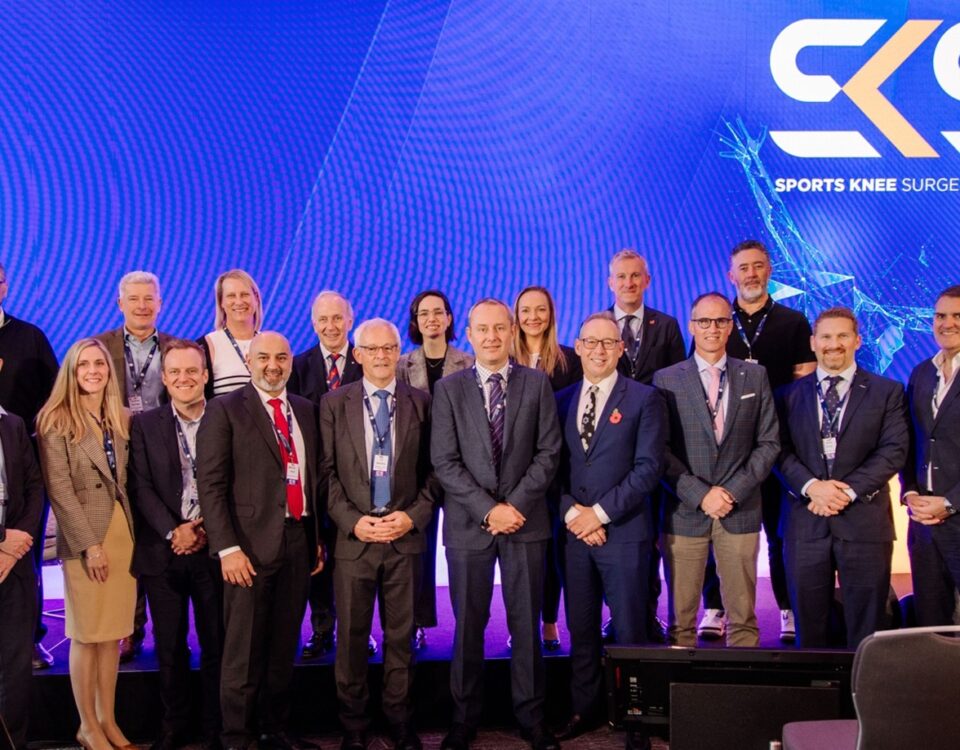


Meet Your Surgeon
Nick Smith is a leading UK knee surgeon with advanced fellowship training in Exeter and Bristol, and travelling fellowship to the USA, combining high-volume surgical expertise with internationally recognised research to deliver cutting-edge, evidence-based care.
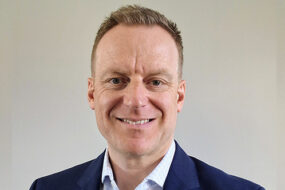
Knee Treatments
Mr Nick Smith offers a range of knee treatments and surgical proceedures.
-
ACL Reconstruction
The anterior cruciate ligament (ACL) is one of the main stabilising ligaments in the knee. It prevents the shin bone from moving forwards and controls rotation.
-
Knee Replacement
A knee replacement is a surgical procedure in which the damaged surfaces of the knee joint are replaced with artificial components made of metal and plastic.
-
Meniscal Transplantation
A meniscal transplant involves replacing a missing or severely damaged meniscus with a donor (allograft) meniscus.
-
Multi-ligament knee surgery
Multi-ligament knee injuries are usually caused by significant traumatic injuries.
-
Patellofemoral Instability
Patellofemoral instability refers to a condition where the kneecap (patella) does not move normally within its groove at the front of the knee.
-
Osteotomy
A knee osteotomy is a surgical procedure used to realign the bones around the knee to improve joint function and reduce pain.
-
Multiligament Knee Injuries
A multiligament knee injury occurs when two or more of the major stabilising ligaments of the knee are torn.
-
Meniscal Root Repair
The meniscal roots are the points where the meniscus attaches to the bone (tibia). These attachments are critical for allowing the meniscus to function properly.
-
Meniscal Repair
The meniscus is a C-shaped piece of cartilage in the knee that acts as a cushion and helps transmit load evenly across the joint.
-
Degenerative Meniscal Tears
The meniscus is a cushion in the knee that helps transmit load evenly through the joint.
Would you like to discuss treatments for your knee?
Call 07783 922 987
- OR SEND US A MESSAGE
Nuffield Health
Warwickshire Hospital,
Old Milverton Lane,
Leamington Spa,
CV32 6RWClick the button below to find us
- LOCATOR MAP